
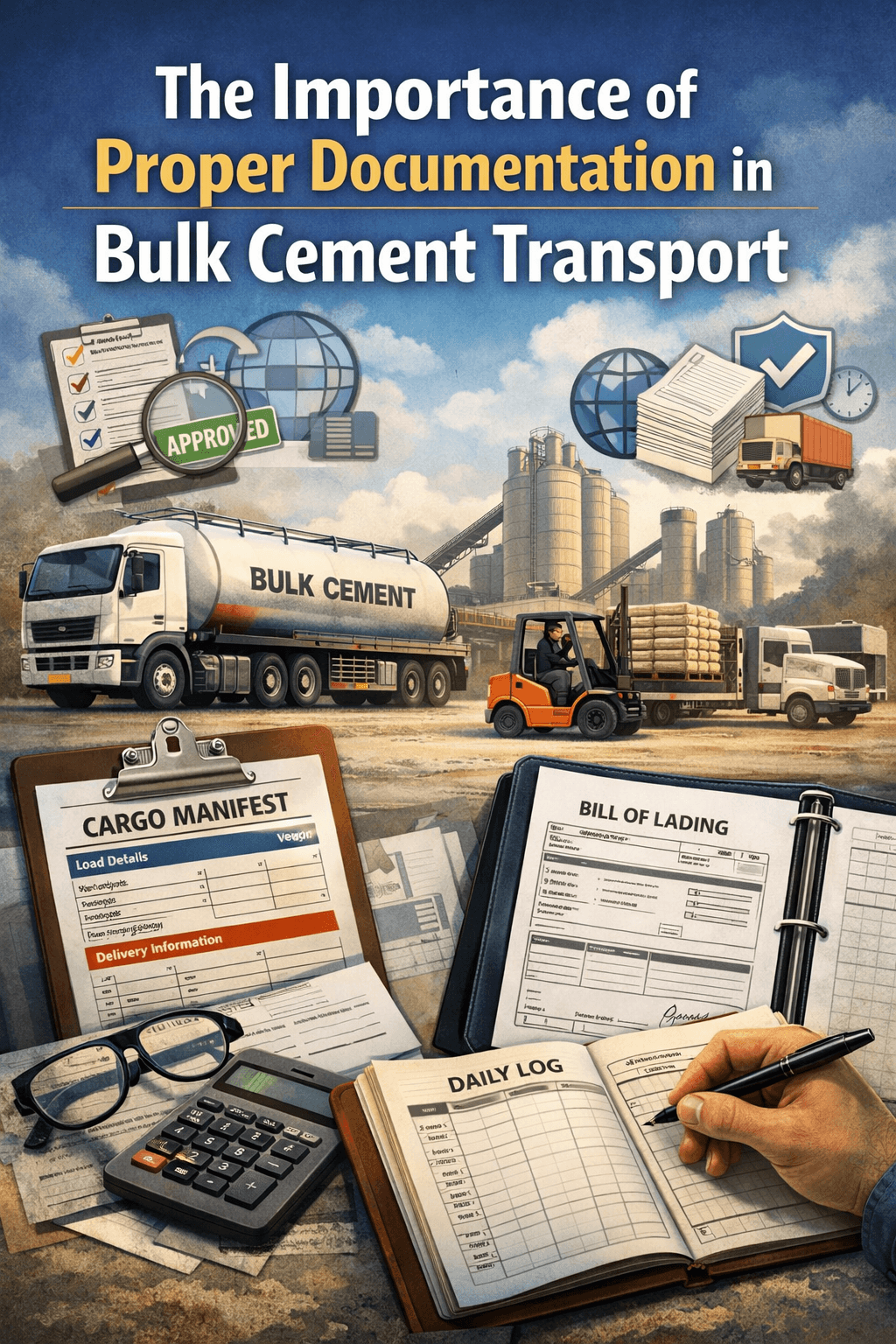
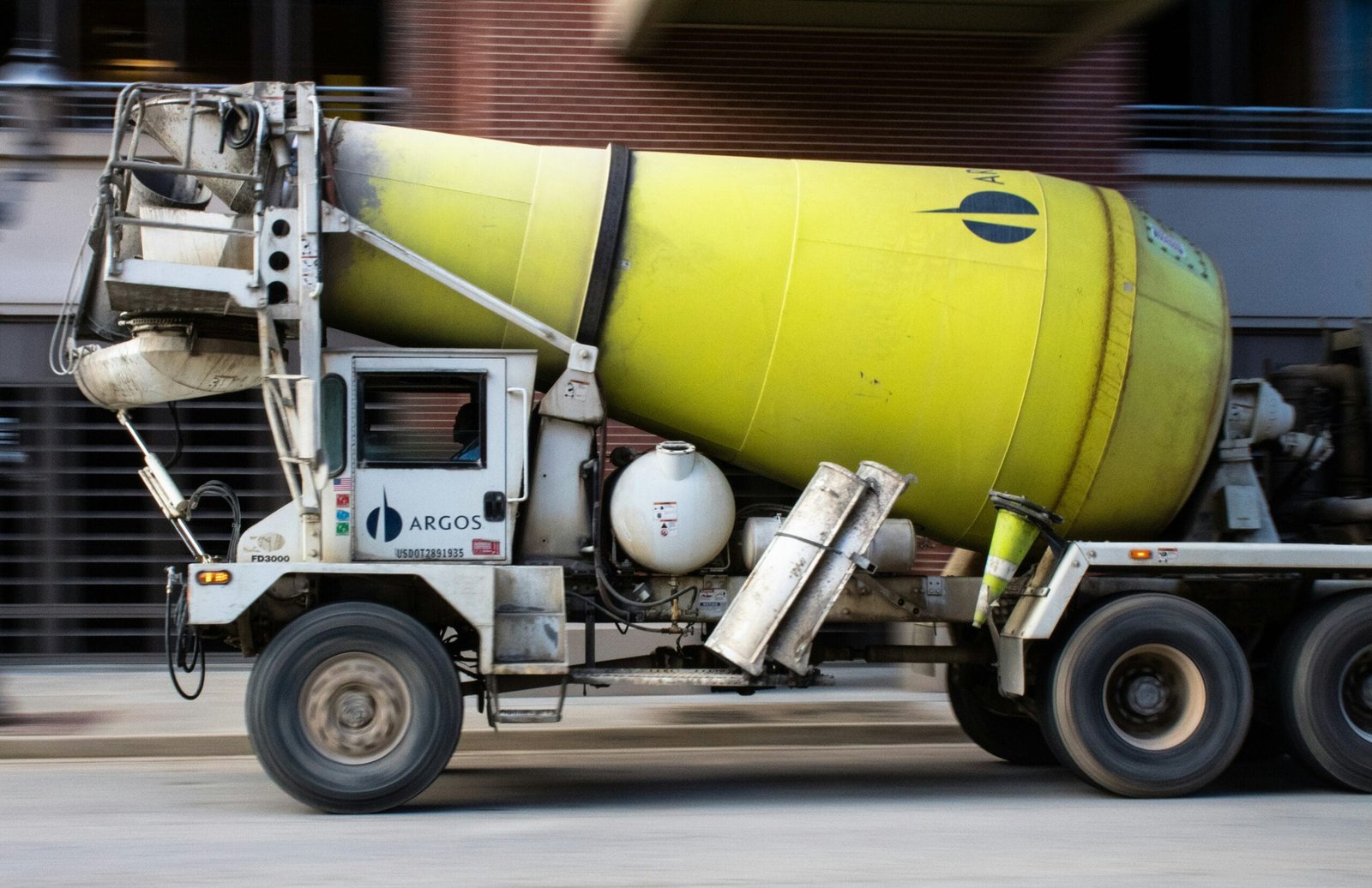


Transporting bulk cement may seem straightforward, but there’s one factor that can make or break the quality of every load: temperature. Cement is a highly sensitive material, and improper temperature management during transport can lead to reduced performance, clumping, or even complete product loss. For logistics companies and construction operators, understanding and controlling cement temperature is critical to ensuring quality, reliability, and efficiency.
1. Cement Quality Is Temperature-Sensitive
Cement is not just any powder , it undergoes chemical reactions that can be affected by heat or cold. When exposed to high temperatures during transport, cement may begin a premature hydration process. This can reduce its strength and setting time, meaning the material will not perform as expected on-site.
Conversely, extremely low temperatures can increase moisture condensation inside the tanker, which may lead to clumping or hardening. Both scenarios can result in wasted material, additional handling costs, and project delays.
Pro Tip: Always monitor ambient and internal tanker temperatures, especially when transporting cement over long distances or in extreme weather conditions.
2. Long Transport Times Increase Risk
The longer cement spends in transit, the greater the risk of temperature-related quality issues, making careful planning essential. Unlike many other bulk goods that can tolerate extended storage or delays, cement is highly sensitive to both heat and moisture. Prolonged exposure to extreme temperatures during transport can lead to premature chemical reactions or moisture absorption, compromising its strength, flowability, and overall performance. For instance, transporting cement in hot climates without proper temperature control can accelerate hydration, causing it to set prematurely before reaching the construction site. On the other hand, nighttime deliveries in cold or humid regions can create condensation inside the tanker, which may lead to clumping or partial hardening. These scenarios not only reduce product quality but can also result in wasted material, increased handling, and delays on-site. To mitigate these risks, transport schedules and delivery windows must be carefully planned to minimise exposure to extreme temperatures. Coordinating closely with dispatch teams, monitoring weather forecasts, and using temperature-controlled or insulated tankers can help ensure that cement maintains its integrity, no matter how long the journey takes.
3. Specialised Equipment Helps Maintain Stability
Transporting bulk cement safely and efficiently requires more than just trucks, it demands specialised equipment designed to protect the product from temperature fluctuations, moisture, and contamination. Standard bulk transport vehicles are not suitable because cement is highly sensitive to both heat and humidity, which can compromise its quality during transit.
Modern bulk cement tankers are equipped with features that help maintain stability throughout the journey. Insulated tanks are one of the most common solutions, reducing the impact of extreme external temperatures and slowing down any chemical reactions that could affect the cement. Many tankers also include real-time temperature monitoring systems, allowing drivers and fleet managers to track internal temperatures during transit and make adjustments if necessary. In some regions, ventilation or controlled airflow systems are added to prevent condensation during cold weather, which can lead to clumping or partial hardening of the cement.
The use of specialised equipment doesn’t just protect quality , it also improves operational efficiency. Properly maintained and equipped tankers reduce the risk of rejected loads, product loss, or the need for additional cleaning and handling at the site. Investing in these technologies ensures that every load arrives in optimal condition, ready for immediate use in construction or batching processes, and helps cement transport companies maintain a reputation for reliable, high-quality deliveries.
Pro Tip: Regularly inspect and maintain tanker insulation, compressors, and temperature sensors to ensure consistent performance. Even small lapses in equipment care can compromise a load and lead to costly delays.
4. Temperature Monitoring Improves Efficiency and Cost Management
Monitoring cement temperatures during transport is not just about maintaining quality , it’s also a smart way to manage costs and improve operational efficiency. When cement is exposed to extreme heat or moisture, it can begin to set prematurely or form clumps, leading to rejected loads, product loss, or extra handling at the construction site. Each of these outcomes translates directly into wasted time and money.
By implementing temperature monitoring systems, fleet managers gain real-time insights into the conditions inside each tanker. These systems track internal temperatures and alert drivers if the cement is approaching critical thresholds. With this information, operators can take immediate action, adjusting ventilation, rerouting vehicles to avoid extreme conditions, or coordinating faster unloading at the destination.
The benefits of temperature monitoring go beyond preventing losses. Over time, the data collected allows companies to analyze patterns, predict potential risks, and refine transport strategies. For instance, they can identify routes prone to heat exposure, determine the best times for delivery in different climates, and decide when specialized tankers or insulation is required.
Pro Tip: Integrate temperature monitoring with fleet management software to create a complete picture of your operations. This combination helps reduce downtime, prevent material waste, and ensure that every load of cement arrives in optimal condition, ultimately saving money and boosting customer satisfaction.
5. Training Drivers and Staff Matters
Even the most advanced equipment and temperature monitoring systems cannot fully protect cement if drivers and staff are not properly trained. Human expertise is a critical component in ensuring that cement arrives in perfect condition. Drivers need to understand the unique sensitivity of cement to temperature, moisture, and handling practices, and staff at both the loading and unloading points must be aware of proper procedures to minimize risks.
Training should cover areas such as:
- Recognising Temperature Risks: Drivers should know how high or low temperatures can affect cement and how to adjust driving behavior, routes, or unloading times to maintain quality.
- Proper Loading and Unloading Techniques: Cement must be handled gently. Overfilling, abrupt braking, or improper discharge pressures can cause clumping or damage to equipment. Staff should be trained to follow standardized procedures for consistent results.
- Equipment Operation and Maintenance: Drivers should be familiar with tanker controls, temperature sensors, and ventilation systems, as well as daily checks for leaks, condensation, or wear. Proper operation reduces the chance of temperature-related issues.
- Emergency Procedures: Unexpected delays, extreme weather, or equipment malfunctions can affect cement quality. Staff should be trained to respond quickly and effectively to mitigate any potential damage.
Pro Tip: Regular refresher training sessions help drivers and staff stay up to date on best practices, new technology, and safety protocols. Well-trained personnel are not only more efficient but also more confident, which translates into fewer errors, reduced waste, and more reliable deliveries.
By combining skilled personnel with specialized equipment and real-time monitoring, cement transport companies can ensure that every load arrives safely, on time, and in optimal condition. Investing in training is an investment in product quality, customer satisfaction, and long-term operational efficiency.
Conclusion: Temperature Management Is Key to Reliable Cement Transport
Maintaining cement quality during transport is about more than just moving material from one place to another , it requires careful attention to temperature, specialised equipment, real-time monitoring, and skilled personnel. Each factor plays a vital role in ensuring that cement arrives at construction sites in optimal condition, ready to perform as intended.
Long transport times, extreme weather, and improper handling all pose risks that can compromise cement quality, increase waste, and raise costs. Using insulated tankers, temperature sensors, and well-maintained equipment helps protect the product, while training drivers and staff ensures these tools are used effectively. Together, these strategies reduce operational risk, prevent product loss, and improve overall efficiency.
In the highly competitive world of bulk cement transport, companies that prioritise temperature management and staff expertise not only safeguard the integrity of their loads but also build trust with clients and maintain a reputation for reliability. In other words, success in cement logistics comes from combining technology, planning, and human skill , ensuring every load reaches its destination safely, efficiently, and ready to perform.