
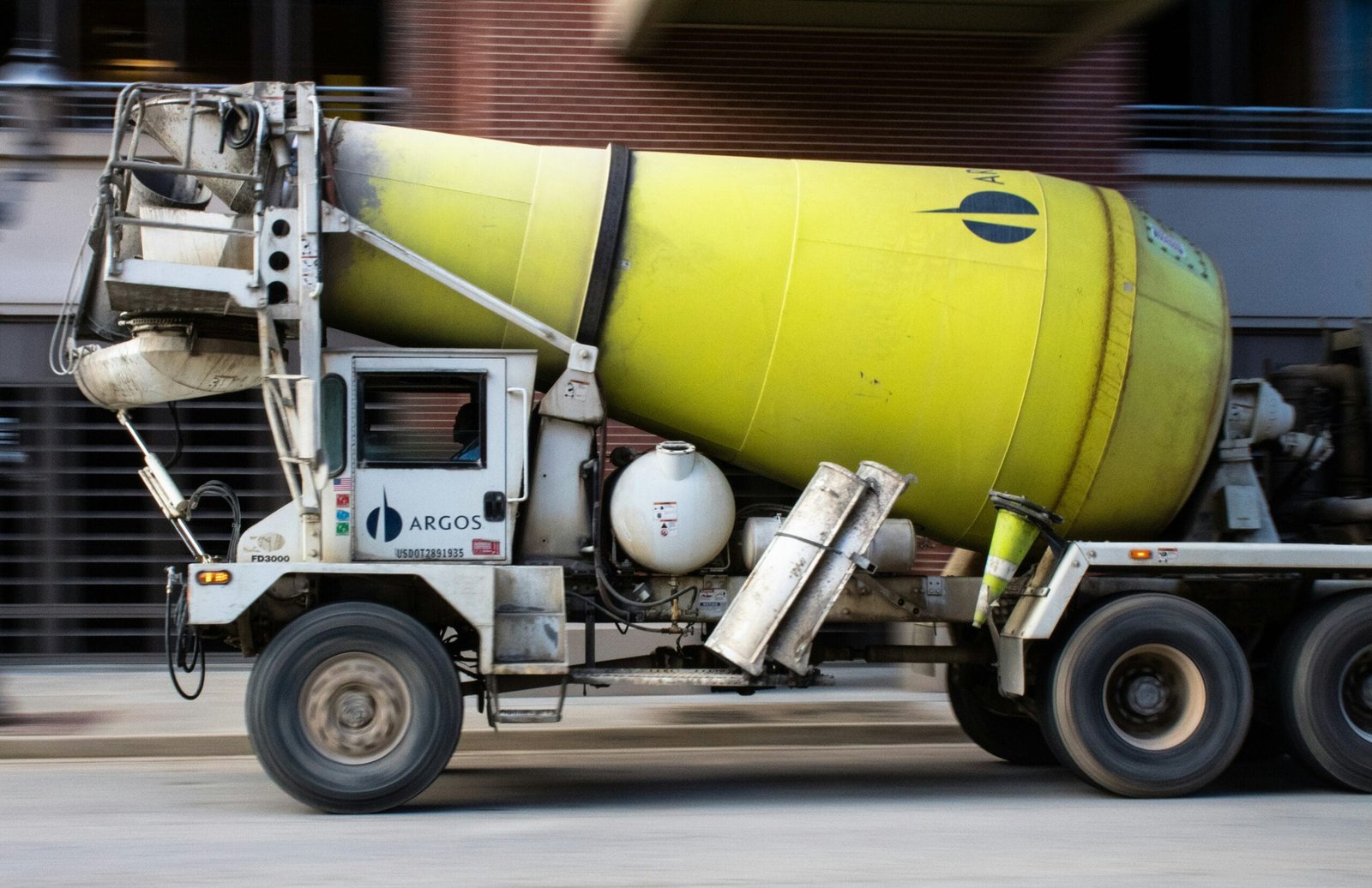


Transporting bulk materials is a complex operation, but bulk cement transport stands in a league of its own. While it might look similar to hauling other bulk goods like grains, sand, or chemicals, the truth is , cement is far more demanding. From strict handling requirements to specialized equipment, moving cement efficiently requires a unique blend of precision, timing, and technical expertise.
Let’s take a closer look at what makes bulk cement transport so different, and why logistics companies must approach it with a higher level of care and planning.
1. Cement Is a Time-Sensitive Product
Unlike grains or aggregates, cement has a limited “flow life.” Once it’s produced, it needs to reach the batching plant or construction site before exposure to moisture or temperature changes affects its quality. Even small amounts of humidity can cause cement to harden or form clumps, rendering it unusable.
That’s why timing is everything in cement logistics. Transport schedules must be tightly managed, and delays, whether due to traffic, equipment failure, or poor planning, can lead to costly product loss.
Pro Tip: Always coordinate closely with suppliers and site managers to align loading and unloading times. Minimizing waiting periods helps keep cement fresh and ensures consistent quality on delivery.
2. Specialised Equipment Is Required
Cement can’t be transported in just any truck. It requires dedicated bulk powder tankers, built with pressurized air systems for loading and unloading. The interior of these tankers must remain perfectly dry, clean, and airtight to prevent contamination or moisture ingress.
In contrast, other bulk goods , such as grains or sand , can be carried in open hoppers or tipper trucks. But in cement transport, even the smallest leak or residue from previous loads can compromise an entire batch.
Pro Tip: Schedule regular cleaning and inspection of air compressors, hoses, and discharge systems. Preventive
3. Handling Requires Precision
Unlike many bulk goods that can be dumped or shoveled, cement must be handled carefully during loading and unloading. Overfilling, sudden stops, or excessive vibration can cause compaction inside the tanker, making it difficult to discharge. This not only slows down operations but also risks damaging equipment or wasting product.
Drivers and operators need to be trained in gentle handling techniques, such as maintaining steady speeds, using correct unloading pressures, and avoiding abrupt maneuvers. This level of precision is rarely necessary in general bulk transport but is critical for cement logistics.
4. Moisture Sensitivity Demands Extra Care
One of the defining challenges of bulk cement transport is its extreme sensitivity to moisture. Exposure to even a small amount of water can cause cement to harden inside the tanker, leading to complete product loss and expensive cleaning operations.
This means that unlike transporting sand, aggregates, or certain chemicals, cement transport requires airtight tanks, proper sealing, and careful monitoring of weather conditions. Planning for rainy seasons or high-humidity environments is essential to avoid spoilage and maintain quality.
Pro Tip: Use moisture sensors in storage and transportation tanks, and always cover or seal cement when loading in humid or wet conditions.
5. Regulatory and Safety Considerations
Transporting cement also involves specific safety and regulatory requirements. Bulk cement trucks are often heavier than standard vehicles due to dense material weight, requiring compliance with axle-load limits, speed restrictions, and road safety regulations.
Additionally, operators must understand the hazards of cement dust, which can cause respiratory issues if inhaled during loading or unloading. Providing drivers with proper PPE, training, and dust-control measures is a must , something that isn’t always necessary for other bulk materials.
6. Logistics Planning Must Be Highly Coordinated
Finally, unlike other bulk goods, cement delivery often needs to match construction schedules precisely. Delays at a site can halt entire projects, while early arrivals might create storage issues or require offloading to temporary silos.
This means transport managers must focus on:
- Real-time route planning to avoid traffic or delays
- Coordinating multiple site deliveries efficiently
- Aligning fleet schedules with plant production windows
The combination of time-sensitivity, specialized equipment, and precision handling makes cement logistics a far more complex operation than general bulk transport.
Conclusion: Cement Transport Is a Specialised Skill
Transporting bulk cement is not just “moving powder from A to B.” It requires specialized trucks, trained drivers, careful planning, and meticulous attention to quality. While other bulk goods may tolerate delays, rough handling, or moisture exposure, cement demands precision and reliability at every step.
Understanding these unique challenges allows logistics companies to operate efficiently, reduce costs, and maintain the quality and trust that construction clients depend on.
In short: bulk cement transport isn’t just logistics , it’s a specialised craft that combines timing, technology, and expertise.