


1. Cement and cementitious powders lose quality when moisture, contamination, heat exposure, or poor handling happens during loading, transport, or discharge. A strong transport strategy reduces these risks, so your cement arrives dry, consistent, and ready to use. Moisture damages cement faster than anything else, even a small amount of water or damp air can trigger early hydration, which leads to lumps, poor flow, and weaker performance on site. To prevent this, use clean, dry, fully sealed tanks, hoppers, and pipework before every load, protect loading and discharge from the weather by keeping manlids, valves, and inspection points tightly closed, plan routing and delivery slots to reduce waiting time in rain or high humidity, and use desiccant breathers or controlled venting where needed so the tanker does not pull damp air during pressure changes. When you follow these steps, you get free flowing powder with no caking, no wet patches, smoother discharge, and fewer blockages.
2. Cement quality drops fast when residues mix into the load. Dust from previous products, water left in pipework, oil contamination, or dirty seals all increase risk and lead to inconsistency on site. To prevent this, use a documented cleaning process with checks so every tanker is fit for cement, keep tankers dedicated where possible or follow verified changeover procedures when switching products, inspect seal integrity on manlids, gaskets, valves, and hose connections, and use correct filtration at loading, especially when pneumatic systems introduce air. When you control contamination properly, you deliver a consistent material with fewer batch variations, fewer complaints, and less wasted product.
3. Heat and sunlight do not damage cement directly, but hot conditions and temperature changes raise the risk of condensation inside the tanker, especially when a warm day turns into a cooler night. Condensation adds moisture to the load and increases the chance of caking and discharge problems. To reduce this risk, avoid long static holds in exposed yards, especially overnight, reduce empty mileage and waiting time so the load spends less time in uncontrolled conditions, and use good venting and pressure control so the tanker does not pull in humid air as it cools. When you manage temperature effects properly, you lower the risk of internal condensation, support smoother discharge, and reduce quality issues on site.
4. The equipment you use plays a direct role in cement quality because powder handling depends on clean, dry air and controlled discharge. Pneumatic discharge, air pressure, hose condition, and compressor settings affect flow and increase the risk of segregation, blockages, or moisture entering the system. Your strategy should start with the correct tanker specification for cement, including a suitable discharge system and air delivery setup, then protect the product with a dry air supply using maintained compressors and water traps. Keep hoses capped, clean, dry, and stored off the ground, and use the right discharge pressure and flow settings to protect both the cement and the receiving silo. When you get the equipment and settings right, you achieve a fast, clean offload with less downtime, less spillage, and fewer blockages.
5. Delays increase quality risk because the longer cement sits in a tanker, the more time it spends exposed to humidity, temperature changes, and pressure shifts that affect discharge. Waiting also increases the chance of site congestion, rushed handling, and avoidable errors during offload. To reduce delays, book delivery slots accurately and share clear access instructions, keep real time communication between the driver, traffic, and the site contact, plan contingency routes for congestion, closures, and restricted delivery windows, and make sure paperwork is ready before arrival so the driver does not queue longer than needed. When you manage time well, you get predictable deliveries, smoother site operations, and fewer quality problems caused by avoidable waiting.
6. Even when cement arrives in good condition, poor receiving practices can ruin it during the final transfer into the silo. A strong transport strategy includes site readiness, not only the journey. Before delivery, confirm the receiving silo is dry, correctly labelled, and has enough capacity, then check that filters, pressure relief valves, and level indicators work properly. During offload, match the delivery rate to the silo’s ventilation and filtration capability, and make sure site teams follow safe offload steps so you avoid over-pressurising and dust escape. When the receiving side is ready, product integrity stays intact from tanker to silo, and you reduce safety incidents and avoidable waste.
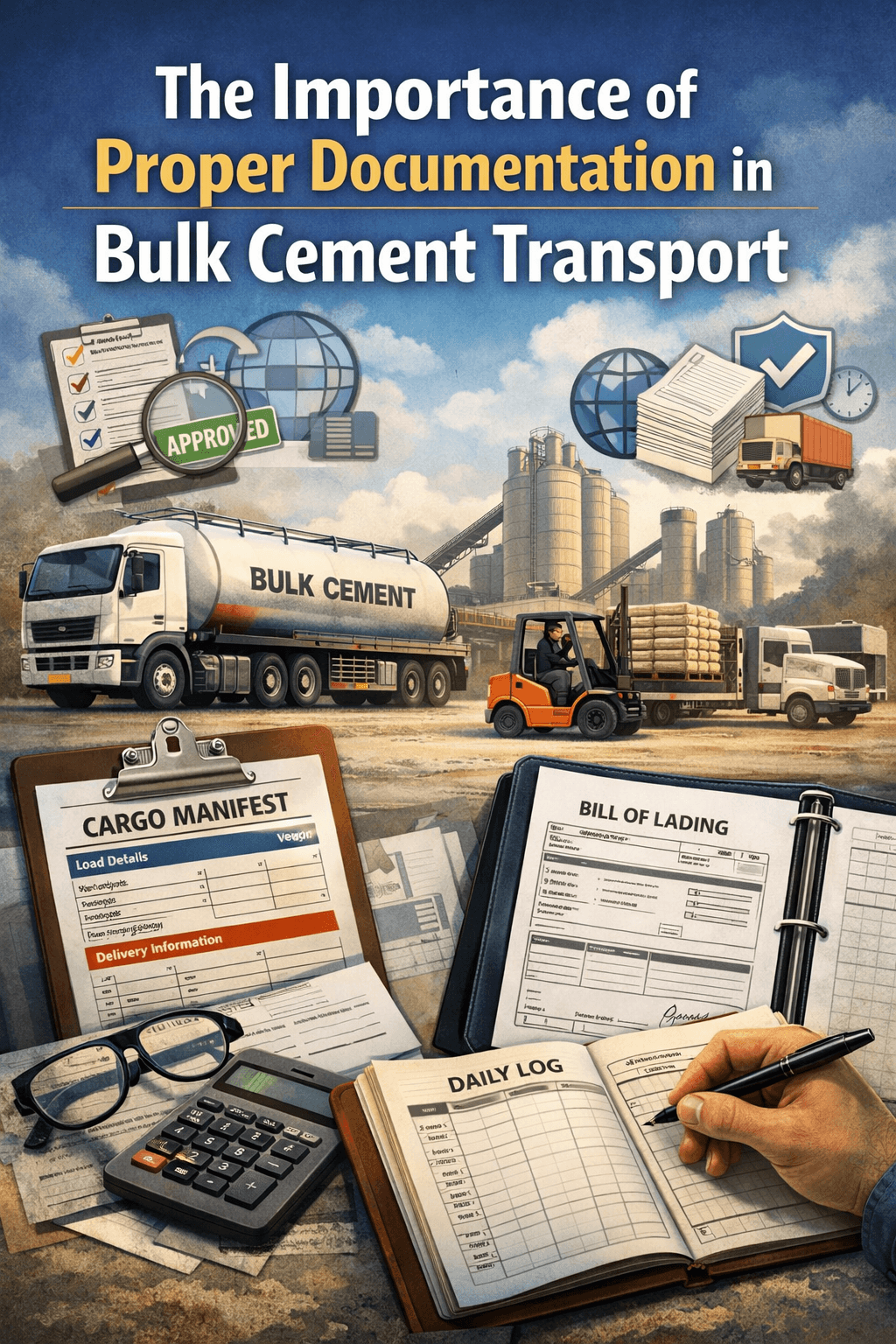
7. Quality protection works best when you measure each step, not when you assume the process worked. Build quality assurance into every delivery by completing pre load checks such as tank dryness, seal condition, and line integrity, then using driver checklists for loading, transit, and discharge so key steps do not get missed under time pressure. After delivery, record anything that could affect quality, including delays, weather exposure, pressure issues, or discharge problems, and keep full traceability with batch details, delivery timestamps, tanker ID, and cleaning records. This approach reduces disputes, speeds up root cause analysis, and builds client confidence.